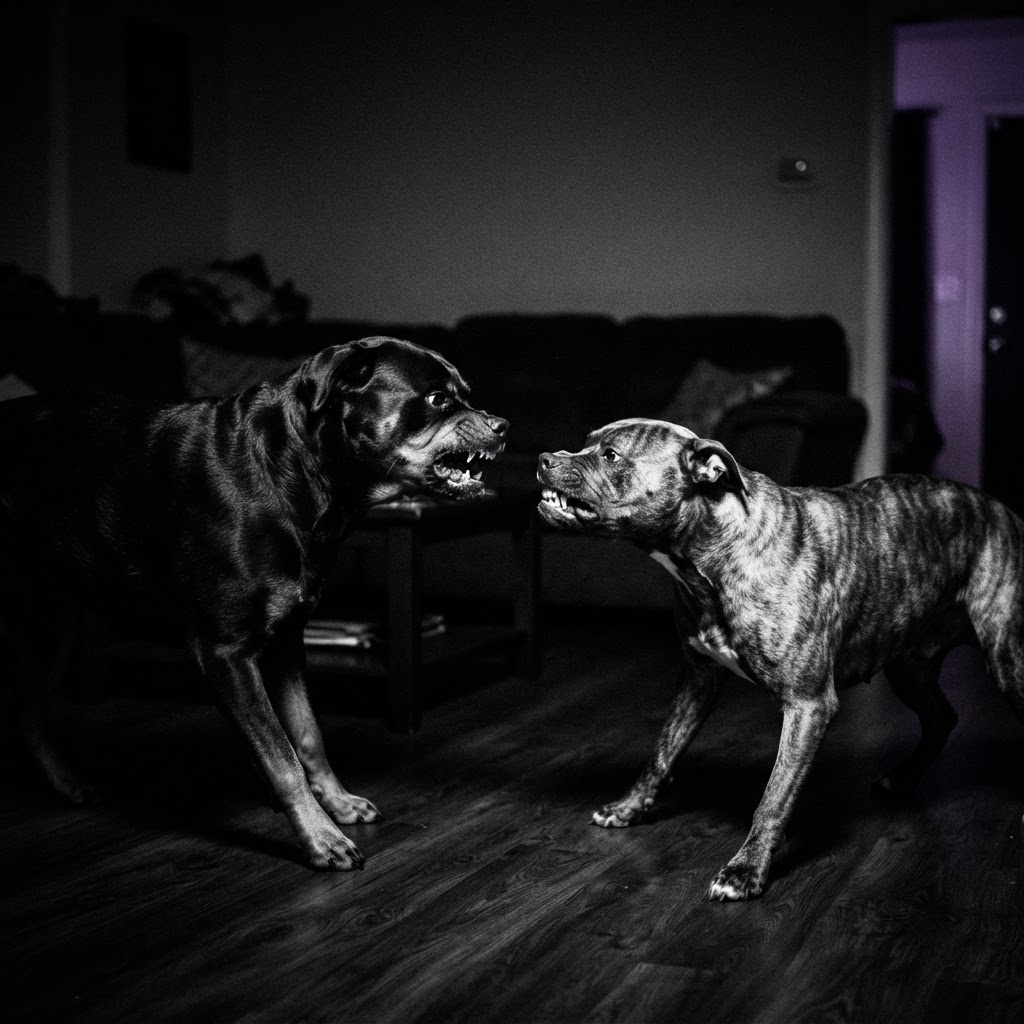
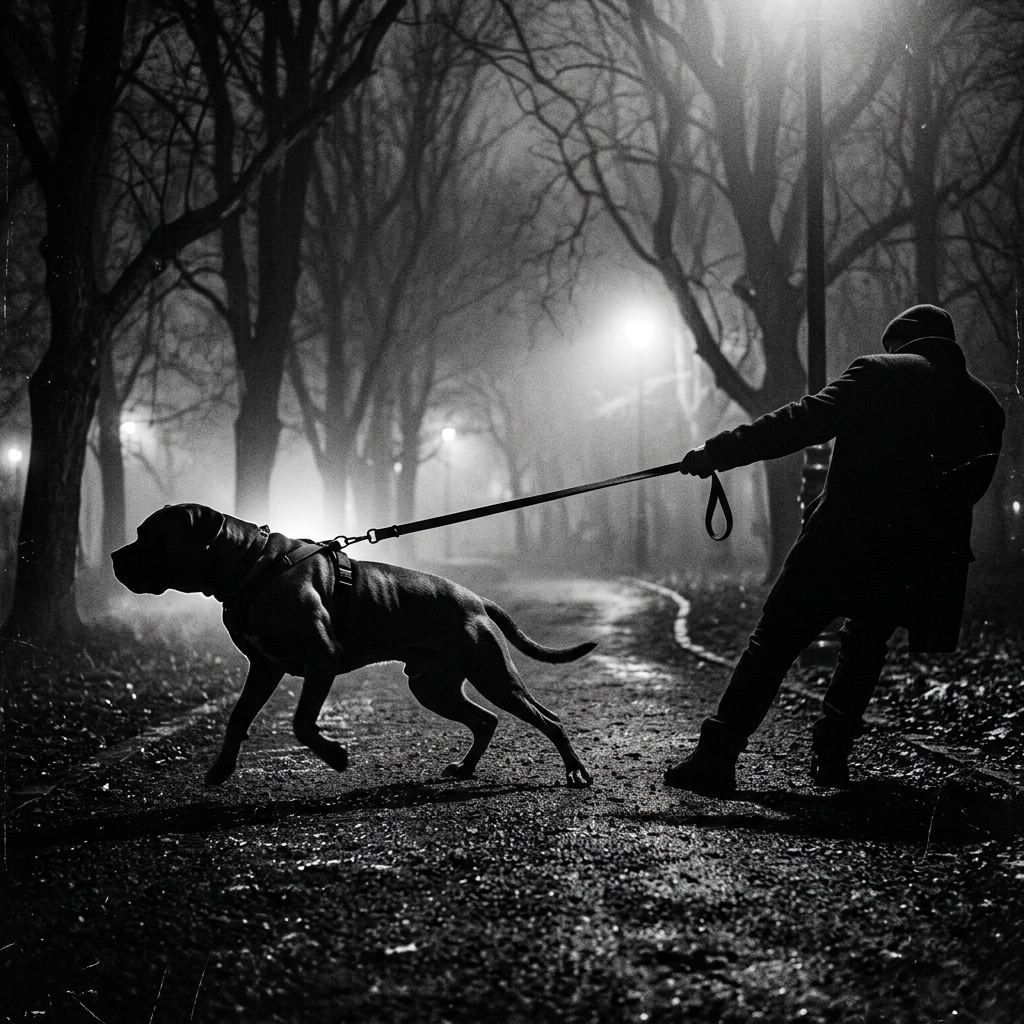
Reactivity Isn't Aggression: What Your Dog's Barking Is Really Saying
Lunging, barking, spinning at the end of the leash — it looks scary, but reactivity is usually a symptom of something else entirely. Here's what's really going on and how we change it.
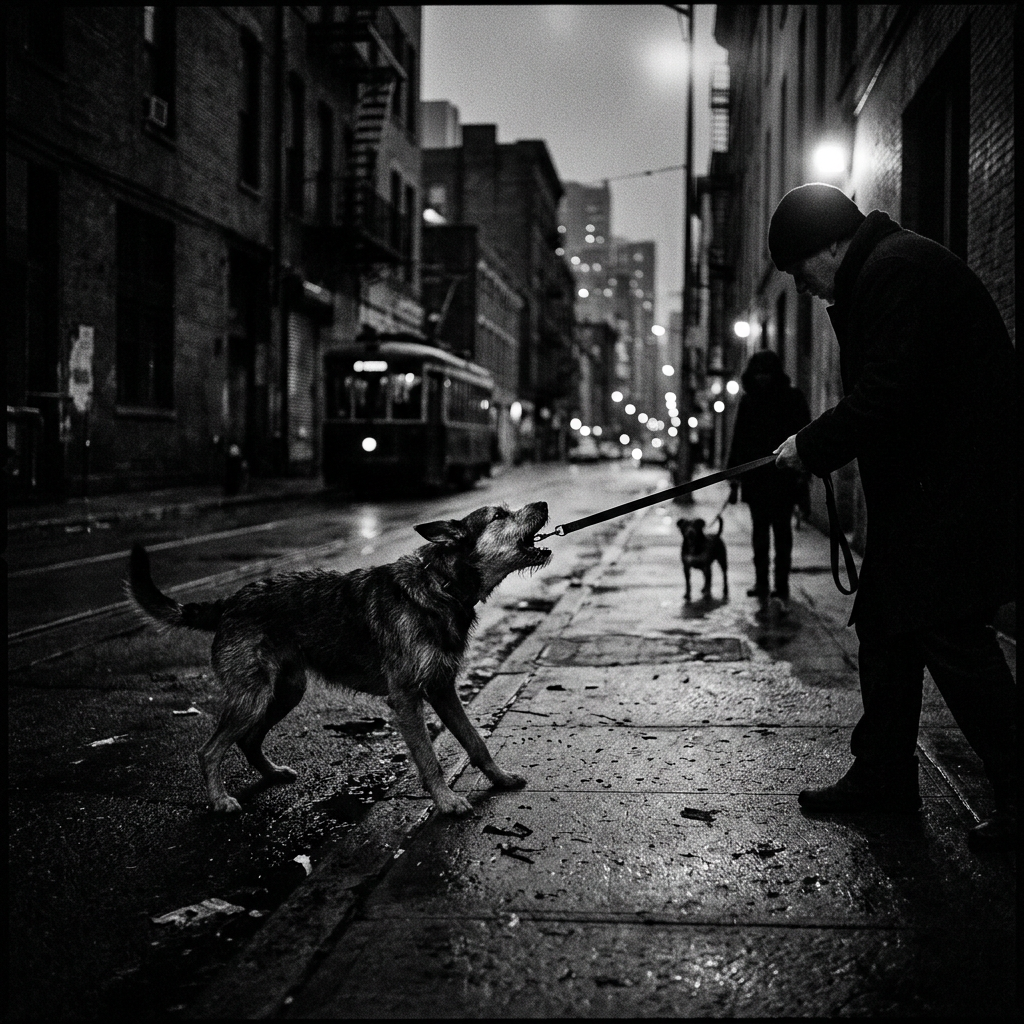
If your dog barks, lunges, or loses their mind at the sight of another dog, a stranger, or a passing skateboard, you've probably been told your dog is 'aggressive.' In most cases, that's not what's happening. Reactivity is an overreaction to a trigger — and it's almost always rooted in fear, frustration, or unmet needs, not a desire to fight.
Reactivity is a symptom, not a diagnosis
A reactive dog is telling you something: 'I can't handle this.' Some dogs are frustrated greeters who desperately want to say hi and can't understand why the leash won't let them. Some are scared and have learned that a big explosive display makes the scary thing go away. Some were never taught how to feel calm in a world full of pressure. The display looks the same from the outside — the cause is completely different.
That matters, because the fix depends on the cause. Punishing the barking without addressing the fear underneath is like silencing a smoke alarm while the house burns.
Why it gets worse over time
Reactivity feeds itself. Every time your dog blows up and the trigger moves away — the other dog passes, the jogger keeps going — your dog learns the explosion worked. The behavior gets rehearsed, gets more automatic, and gets easier to trigger at greater distances. The earlier you intervene, the faster the change.
What actually works
- Find your dog’s threshold — the distance where they notice the trigger but can still think and take food. All training happens below that line.
- Change the emotional response first: trigger appears, amazing things happen. The trigger predicts food/play/anything your dog desires, not chaos.
- Add structure and clarity: many reactive dogs are also drowning in unpredictability. Routines, clear expectations, and calm leadership lower the overall temperature.
- Teach an alternative behavior — a check in, a U turn, a position change — so your dog has something to DO instead of exploding.
- Manage the environment while you train. You can’t rehearse the explosion six times on a walk and also expect progress.
One honest warning: the internet is full of 'quick fixes' for reactivity involving corrections, prong collars, and intimidation. These can suppress the display while making the underlying fear worse — and a scared dog who stops warning is a much bigger risk than one who barks.
When to get help
Mild frustration reactivity often responds well to consistent DIY work. But if your dog has made contact, redirects onto you or another dog, or your walks have become something you dread, get a professional evaluation. Reactivity is one of the most responsive behaviors to proper rehabilitation — and one of the most damaging to leave unaddressed. If you're not sure where you stand, that's exactly what our free consultation is for.
Eloise Honey
Author — Noble Paws Academy
Recognize Your Dog in This Article?
Reading is a great start — a personalized plan is the real fix. Your consultation is free and pressure-free.