Potty Training That Actually Works: A Realistic Timeline
Accidents aren't failures — they're data. A practical, pressure free system for potty training puppies and adult dogs, including the crate, the schedule, and the mistakes to avoid.
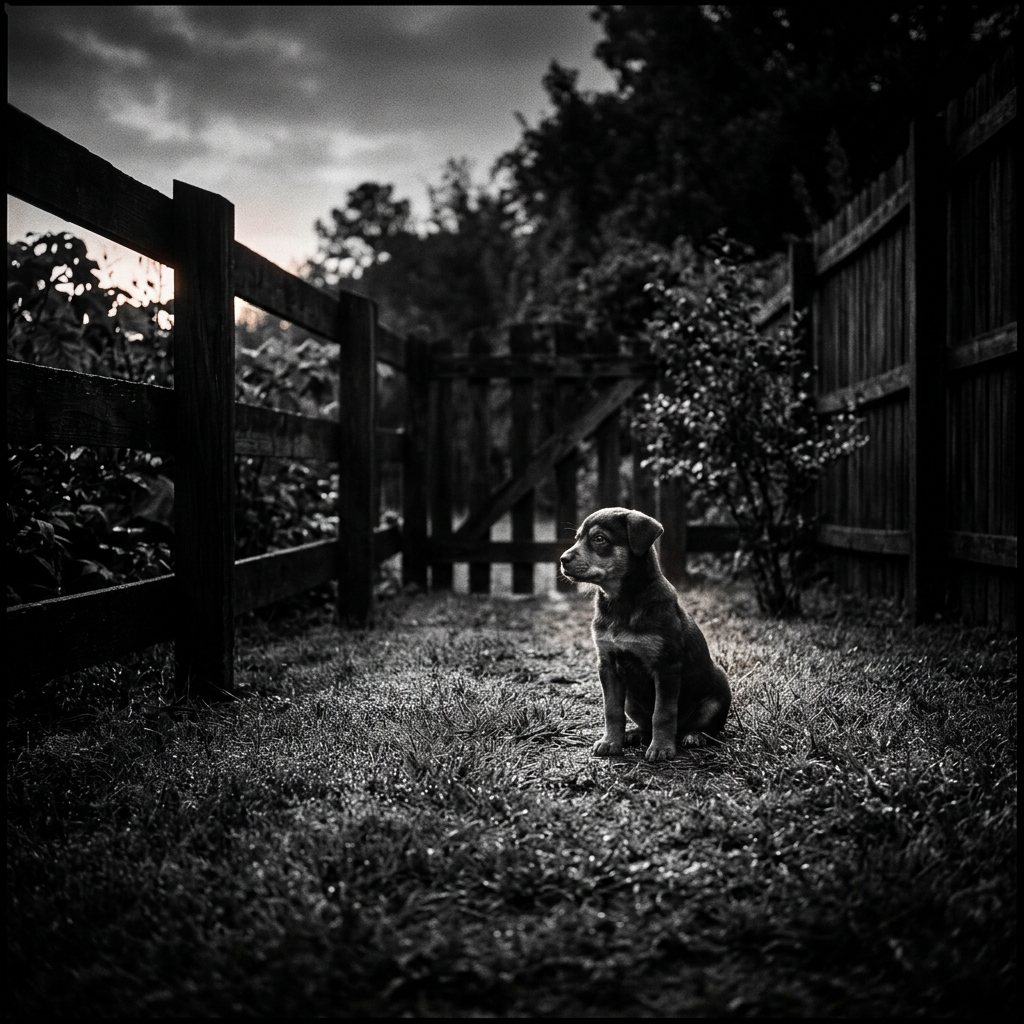
Potty training breaks more spirits than almost any other puppy challenge — mostly because of two myths: that it should happen fast, and that accidents mean the puppy is doing something wrong. Neither is true. Potty training is a management problem, a biology problem, and a schedule problem. Solved in that order.
Understand the biology first
A young puppy physically cannot hold it the way an adult can. A rough guideline: a puppy can hold their bladder about one hour per month of age, plus one. An eight week old puppy needs a bathroom opportunity every 1–2 hours — and after every nap, meal, drink, and play session. Expecting more is like expecting a toddler to hold it through a movie.
The system
- Scheduled freedom. Between bathroom trips, your puppy is either supervised, in a playpen, or in the crate. The goal is simple: prevent accidents, because every accident in the house is a rehearsal of the wrong habit.
- The crate, used fairly. Dogs have a natural desire not to soil where they sleep — a properly sized crate (room to stand and turn, not a studio apartment) taps into that. Never use the crate as punishment, and never expect more hold time than the puppy is physically capable of.
- Same door, same spot, same cue. Take the puppy out on leash, to the same area, say your cue word ("go potty"), and reward with a party within two seconds of finishing. Dogs learn places, not concepts.
- Log it. Track when your puppy eats, drinks, and eliminates for the first week or two. Patterns emerge fast, and you can prevent 90% of accidents by simply being five minutes early.
- Freedom earned in stages. After two clean weeks, expand the puppy’s space gradually — one room at a time. A puppy who has been clean for a month earns more trust than one who was clean yesterday.
When accidents happen — and they will
If you catch your puppy midstream, interrupt calmly, rush them outside, and reward if they finish there. But interrupting calmly matters more than most owners realize — if you scare a puppy while they’re having an accident, they don’t learn not to go inside. They learn that going in front of you is dangerous, and they’ll often start hiding when they feel the need, which can make accidents much harder to stop. Then clean it with an enzymatic cleaner — regular cleaners remove the smell to you, not to your dog, and a spot that still smells like a toilet will be used as one. And if your dog has already had an accident and you didn’t see it happen — you’re too late. Dogs don’t connect punishment to something they did minutes ago; correcting them after the fact teaches nothing except that you are sometimes scary. Clean it up and say nothing. Rubbing a puppy’s nose in it doesn’t teach them not to go inside — it teaches them not to go inside in front of you, which makes house training harder and destroys trust.
Adult dogs and rescues
Adult rescue dogs sometimes regress in a new home — stress, change, and unknown history all play a role. Treat them exactly like puppies: schedule, supervision, crate, enzymatic cleanup. If a previously trained adult dog suddenly has accidents, see your vet — urinary infections and other medical causes are common and no amount of training fixes them.
Realistic timeline: most puppies are reliably clean in the house somewhere between four and six months, with full reliability (including holding it overnight) closer to six to eight months. Not weeks. If you stay consistent, you’ll get there — and we’re always a message away if you get stuck.
Eloise Honey
Author — Noble Paws Academy
References & Further Reading
Recognize Your Dog in This Article?
Reading is a great start — a personalized plan is the real fix. Your consultation is free and pressure-free.